
By Maura Regan
To mark Kidscreen‘s 30th anniversary, we’re pausing to look back—and to look ahead—at an industry shaped by constant change, creative risk and a stubborn belief that what we do matters deeply. Please join us as we celebrate three decades of proudly supporting that. And here’s to bravely embracing whatever comes next.
The past three decades have been transformational for the world of brand licensing and consumer products. From toys that created a cultural moment, to the rise of the internet and social commerce, each era shifted the industry and reshaped how consumers connect with the brands they love. These 10 turning points didn’t just make headlines; they redefined how we create, sell and experience licensed products for kids.
1. The internet revolution
The rise of the internet didn’t just change culture—it rewired it entirely. The internet’s rise brought forth new retail frontiers and reshaped how shoppers connect, discover and purchase products. As e-commerce exploded, so did consumer choice, making brand licensing more vital than ever. Licensing today has evolved in step, as a source of trust and visibility for consumers in an environment with infinite options, helping them navigate endless digital aisles with confidence.
2. Fast fashion
The rise of fast fashion forever changed the speed-to-market equation. From its beginnings in the fashion industry, the ethos moved beyond apparel into other categories. Where toy development once took more than a year, today’s consumers expect merchandise from their favorite properties in real time. This shift forced licensors and licensees alike to rethink timelines, manufacturing and product refresh cycles to meet consumer behavior and expectations.
3. The COVID-19 pandemic
Few global events have reshaped product development like the COVID-19 pandemic. Suddenly, licensing teams had to reimagine collaboration, approvals and development cycles to achieve results remotely. Technology evolved at lightning speed, streamlining previously cumbersome processes. Necessity spawned innovation, and the industry emerged more agile and connected than ever.
4. The Disney Princess line
When Andy Mooney created the Disney Princess line in the early 2000s, he unified decades of storytelling into a cohesive brand universe. Before that, Disney characters lived within their individual worlds. The Disney Princess franchise transformed the company’s IP into a collective powerhouse, spawning everything from apparel to theme park experiences. It remains one of the most successful and enduring examples of licensing innovation over the last 30 years.
5. The Harry Potter franchise
Harry Potter first achieved publishing success, then went on to become a cultural and licensing phenomenon. The expansion from page to screen to product created a blueprint for multimedia storytelling that continues to inspire franchise-building today. From wands and wearables, to theme parks and collectibles, Harry Potter showed how deep storytelling fuels enduring brand ecosystems.
6. YouTube
In the 2000s, YouTube radically changed how—and how quickly—content reaches kids. It upended the traditional development pipeline, eliminating the need for the greenlights, production cycles and seasonal programming windows of linear TV. This immediacy didn’t just disrupt viewing habits; it also redefined the licensing playbook, creating overnight demand for characters, stories and worlds emerging organically from the platform.
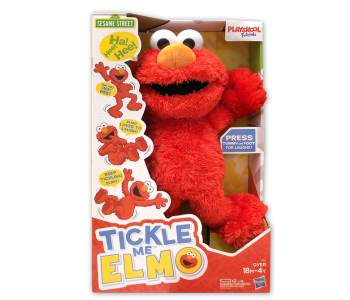 7. Tickle Me Elmo
In 1996, Tickle Me Elmo became a national phenomenon, turning holiday toy aisles into scenes of frenzy. More than a must-have product, it was a masterclass in brand synergy, combining emerging interactive technology with the warmth and familiarity of a beloved character. The plush toy perfectly captured Elmo’s essence, proving that successful licensing isn’t just about putting a logo on a product. It has the power—when done right—to infuse a brand’s spirit into physical form.
8. Nickelodeon
The launch of Nickelodeon—and its meteoric rise through the 1980s and 1990s—redefined kids entertainment for an entire generation. The channel introduced a fresh, irreverent voice that spoke to younger viewers rather than at them, empowering them to be loud, silly, curious and unapologetically themselves. Nickelodeon didn’t just entertain; it shifted the dynamic and tone of children’s programming, setting a new standard for what kids content could be, and delivering some of the biggest hit brands the market has ever seen.
9. Social commerce and the rise of creator-led brands
Social media has progressed to become a place where Millennial and Gen Z consumers are shopping. Through creators serving as trustworthy brand representatives, to in-app retail channels on social platforms, brands have had to adjust their strategies to meet this new frontier. The creators themselves have also evolved from merely endorsing products, to becoming the product—turning their personal brands into licensing powerhouses. Social commerce has blurred the line between content and commerce, giving rise to a new generation of licensors who command loyal, built-in audiences.
10. Children’s Online Privacy Protection Act (COPPA)
The explosion of kids content in the internet era created an urgent need to regulate children’s programming and safeguard young viewers. As streaming platforms, apps and social video became primary touchpoints for kids, COPPA established essential guardrails to protect their privacy and safety. In turn, it pushed licensors and content creators to adopt more responsible, compliant approaches to engaging their youngest fans.
Driven at times by creativity and at others by necessity, the past 30 years have ushered in innovation for the consumer products industry, with no signs of slowing. Looking ahead, as technology, consumer behavior, retail markets and industry trends continue to rapidly shift, licensors and licensees alike will rise to meet these landmark cultural shifts, moving the industry forward and defining what comes next.
Maura Regan is president of Licensing International, the leading trade association for the US$369-billion-plus global brand licensing industry. She is a leading voice of the licensing community and an expert across industry topics including brand collaborations, brand protection, retail trends and consumer insights.
This story originally appeared in Kidscreen‘s Q1 2026 magazine issue.


















 Newsletter