
This story was originally published in Kidscreen’s Q2 2026 magazine issue. To read the full issue, click here.
At a time when much of the toy industry is facing softer consumer demand, rising costs and sometimes inexplicable tariff pressure, action figures are doing something increasingly rare: holding their ground.
More than that, they’re giving manufacturers a category with unusual reach. A strong action figure line can appeal to both kids and adult collectors, serve as an accessible entry point into a wider fandom ecosystem, and keep a brand visible even when other categories cool off.
This resilience is showing up in the numbers. Mattel recently reported that its worldwide gross billings for action figures, building sets and games reached US$381 million in the fourth quarter of 2025 (a 16% increase)—driven primarily by action figures tied to theatrical releases. For the full year, the category generated US$1.24 billion (up 14%), again led by action figures.
That strength isn’t simply coming from nostalgia or collector spending alone. It’s being driven by a more durable combination of entertainment, fandom, play value and product strategy.
Mattel’s SVP of entertainment partnerships Nick Karamanos says the category is benefiting from the fact that entertainment properties no longer come and go in short bursts. They now live across streaming, gaming, social media and theatrical releases, keeping characters relevant year-round.
“Kids are interacting with these stories across platforms, and action figures allow them to bring those worlds into physical play,” he notes. “Action figures now serve both kids and adult fans, broadening the category and increasing its durability at retail.”
That expanded content ecosystem is creating a stronger bridge between generations. Karamanos points to “powerful multi-generational engagement with nostalgic and new entertainment properties,” with parents introducing their own favorite brands to kids while also discovering newer ones together. In other words, the category’s consumer base is widening—not by replacing kids, but by keeping fans in the aisle well into adulthood.
For Playmates Toys, that extended lifecycle is one of the biggest shifts in the category. VP of marketing Jeffrey Trojan describes action figures as a “super category” that has always had staying power—what’s different now is how long fans are staying engaged. Where kids once aged out of action figure play relatively quickly, many are now sticking with those brands much longer—or returning to them later as collectors.
What makes a line last
While the category is more resilient than it used to be, that doesn’t mean every line automatically has staying power.
The core challenge is balance, says Jada Toys’ VP of marketing Michael Jimenez. “You’ve got to deliver on quality, but also make it accessible. Features like articulation, sculpt, paint and accessories all matter, but at the end of the day, the customer has to feel like they’re getting real value for what they’re spending.”
The value equation is becoming increasingly important as consumers get more selective. But affordability alone isn’t enough to sustain a line over multiple years, Jimenez notes. Longevity comes down to cadence and consistency. “You can’t just hit once. You have to keep showing up with newness while staying true to what made people care about the line in the first place.”
Increasingly, that consistency depends on listening as much as launching. Across the category, manufacturers say reviews, collector conversations, social response and focus groups are playing a bigger role in shaping everything from character selection to packaging and play features.
Listening also means thinking beyond the obvious hero characters. Part of Jada’s strategy is choosing to toyify “characters that maybe collectors didn’t even realize they wanted yet,” Jimenez says. In a similar vein, Mattel points to growing demand for “deep cuts” that make a line feel more complete and worth sticking with over time.
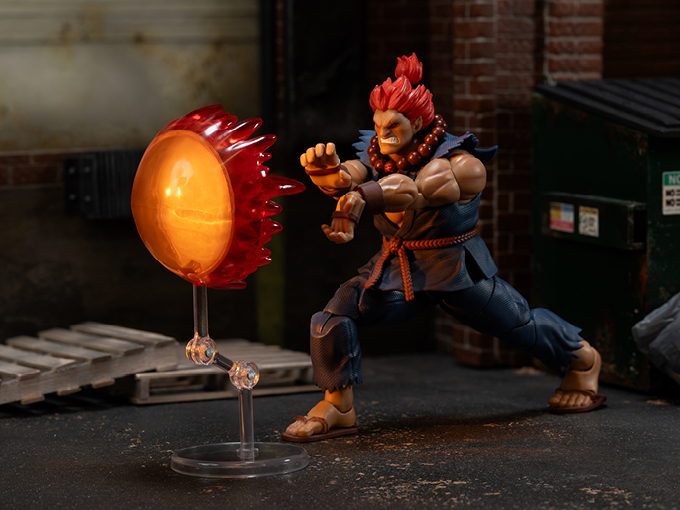
Jada Toys’ Ultra Street Fighter II action figures are based on one of the highest-grossing video game franchises of all time—Street Fighter from Capcom. (Jada Toys)
Hasbro frames this same idea as a balance between consistency and evolution. The foundation is still “great storytelling and characters that people genuinely connect with,” says VP of global brand strategy Alyse D’Antuono, adding that long-term success depends on creating lines that can evolve.
“The strongest action figure lines are designed to grow,” she explains. “They introduce new characters, formats and play patterns, while staying true to what made the brand resonate in the first place.”
Keeping a line alive also increasingly depends on what happens after launch. Mattel’s Karamanos says innovation now extends beyond the product itself to “connecting with fans through exclusive events, influencer activations and content creation.” Mattel Creations—the brand’s direct-to-consumer site—has become key to keeping collectors engaged between launches.
Playmates Toys frames it a little differently. Trojan says his company’s first question is whether a property creates enough affinity and aspirational play to make kids want to step into that world. From there, the next test is whether the brand extends naturally across the rest of the toy box to include vehicles, roleplay, playsets, villains, team-building and other adjacent categories that deepen the experience.
This approach has helped make brands like Teenage Mutant Ninja Turtles, Power Rangers and Godzilla x Kong successful over time, Trojan notes. These toys go beyond just a hero figure to offer a world that can be built out, collected and replayed in multiple ways. This matters even more in today’s tighter retail environment, where brands increasingly have to prove that a line can drive repeat purchases and support a broader fandom and collectible ecosystem.
As retailers become more selective, action figure lines need stronger value, clearer line architecture and deeper fan engagement to keep earning shelf space.
IP only goes so far
Licensing remains one of the category’s biggest strengths, says Karamanos, calling it “foundational to the action figure category” because it “drives immediate awareness and lowers the barrier to purchase.” Ongoing storytelling creates a natural pipeline for licensees to introduce new characters and extend collectible ranges.
But a buzzy IP won’t sustain a line on its own. A recognizable license may give consumers “an immediate connection,” but it won’t carry the line long term, Jada’s Jimenez notes.
“You’re not starting from zero. That said, it’s not just about having the license—it’s about what you do with it. The figure still has to deliver.” If the articulation, likeness or overall execution misses, collectors will notice immediately.
And that scrutiny is only increasing, adds Hasbro’s D’Antuono. Recognizable characters come with built-in excitement—but also higher expectations. Fans want accuracy, detail and authenticity, and they’re increasingly unforgiving when those elements fall short.
“When you combine strong IP with thoughtful design and quality execution, that’s when you create something with real staying power.”
That pressure is playing out differently across markets. While the US remains the category’s core retail base, some manufacturers say they’re also seeing international traction for lines tied to globally recognized gaming and entertainment IPs. For brands built around globally fluent fandoms, action figures are increasingly travelling well beyond the North American market.
One of the biggest balancing acts in action figures right now is designing for both kids and collectors. Collectors want shelf appeal, screen accuracy and a wide character roster. Kids want intuitive play, accessible features and a price point that allows them to steadily add new characters to the toybox over time.
Mattel’s approach is to be explicit about those different entry points. Karamanos says Hasbro engages adult fans through “more detailed design elements, premium finishes and enhanced articulation,” while younger consumers are brought in through toys with “fun features and accessible price points.” The company’s core lines are designed with kids ages four to seven in mind, while still supporting the wider fan ecosystem around them.
The challenge is to deliver on both without letting the category tilt too far toward the display shelf at the expense of play.
For Playmates, that means leaning into the fun. Trojan says the company works to ensure that its lines don’t become purely “adult, post-[play] collectibles” by building in features, transformation elements, sound, action gimmicks and roleplay extensions that give kids an active reason to engage with the toy.
That balance between play and display is part of what continues to set action figures apart from more purely collectible categories.
Focus on value
If there’s one primary theme shaping the category right now, it’s value. Collectors are paying closer attention to what they’re getting for their money, and the category has already begun to respond, says Jimenez. “There has definitely been a shift across the category because of that,” he adds. “It’s pushed everyone to step up and offer more.”
This doesn’t just mean adding more accessories or articulation points—it means delivering enough quality, play value and collectability to justify the purchase in a tighter market. And in a toy industry under pressure, the ability to keep justifying action figures’ place on the shelf may be what keeps them not just relevant, but essential.




















 Newsletter